Fresh US strikes near the Strait of Hormuz have sparked strong condemnation from Iran, raising fears of a collapse in the fragile ceasefire and further complicating negotiations to end the conflict that has rattled global oil markets and regional stability.
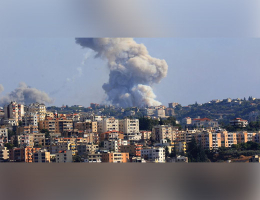
Iran’s foreign ministry accused the United States of breaching the nearly seven-week-old ceasefire following strikes in Hormozgan province early on May 26. Iranian media reported explosions in the region, while Washington said the operation was defensive, targeting missile sites and boats allegedly trying to deploy naval mines near the strategic Strait of Hormuz.
US Secretary of State Marco Rubio said negotiations to secure a broader agreement could still take “a few days”, despite earlier signs of progress between Tehran and Washington on an initial framework intended to halt hostilities and restore maritime traffic through the Strait of Hormuz.
The proposed preliminary agreement would reportedly establish a 30-day framework to reopen shipping routes and reduce fighting across the region, while leaving more difficult issues such as Iran’s nuclear programme for later talks.
Iranian negotiators are also seeking the release of roughly $24 billion in frozen Iranian assets as part of the deal, according to Iranian media reports. Reports said the issue has emerged as the main unresolved obstacle in efforts to finalize the memorandum of understanding between Tehran and Washington.
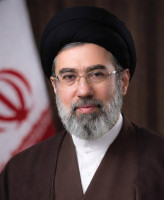
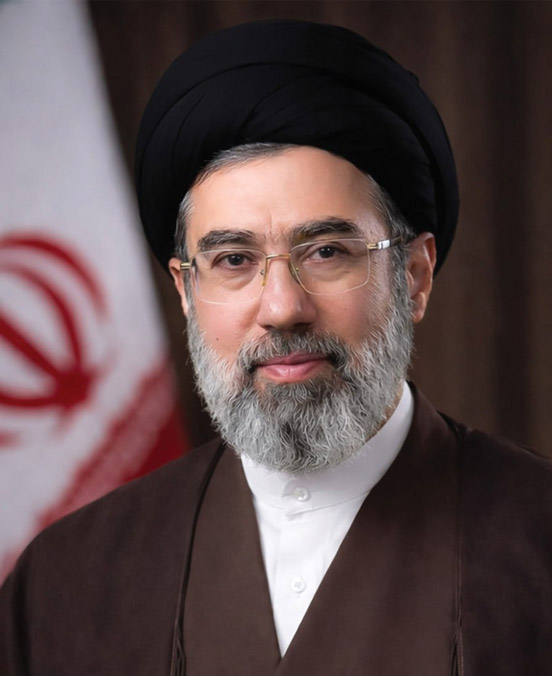
Gulf nations won't be safe haven for US military bases: KhameneiIran's Supreme Leader, Mojtaba Khamenei, issued warnings against the United States and Israel. He declared that countries across West Asia would no longer serve as shields for US bases and insisted that Israel "must certainly be uprooted and it will be". In a strongly worded message on his Telegram channel, Khamenei portrayed the balance of power in the region as shifting away from the US and towards what Iran calls the "Resistance Front" -- a network of allied armed groups and political movements stretching across the Middle East. He added that the US "will no longer have a safe haven for its mischief and for establishing military bases in the region" and claimed Washington was "growing more distant from its former status day by day". |