By Dr. Kumar Mahabir
As part of an Alternative Dispute Resolution, mediation is a preferred mechanism best suited for Indians in the Global Diaspora. We were indeed fortunate to have in the panel some leading thinkers, practitioners and trainers in this field from various parts of the world. They highlighted the significance of mediation, as well as its strengths and limitations. While the primary focus was on this mechanism, the speakers showed how mediation can help the pain of trauma suffered as a result of living in former plantation colonies. Some Indians, like those in Guyana, suffered abuse during the process of decolonization. Others, like in Uganda, were the victims of mass expulsion.
Many of those who left India after the partition still carry memories of pain and dispossession. And today, Indian minorities in some countries are still victims of marginalization, hate crimes, political violence, and racialization of politics – factors which lead to stress, mental depression, suicide, and cognitive disorders. Modern research in neurosciences has shown that trauma is transmitted intergenerationally, and often expresses itself in depression, anxiety, and other cognitive disorders. Being a non-adversarial process, mediation has great potential, and the speakers in the panel talked more about its virtues.
The following are excerpts from an Indo-Caribbean Cultural Centre (ICC) Thought Leaders’ Forum (12/01/2025). The ZOOM program was chaired by Shakira Mohommed and moderated by Shalima Mohammed, both from Trinidad. The program was supported by Tensing Ramlakhan and Cumbria Veri-Tech Agencies Ltd. There were (4) speakers in the program. The topic was “Mediation and Conflict Resolution in the Indian Diaspora.” See the unedited recording of the program: https://www.youtube.com/@dmahab/streams.
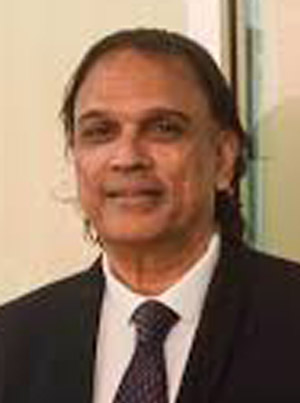
DR. JUSTICE ANTHONY GAFOOR (of Trinidad) said: “Understanding the nuances of Indian culture is crucial for effective mediation within the diaspora. For example, the concept of ‘saving face’ and ‘race’ carries significant weight, influencing how individuals approach conflict and what outcomes they seek. Mediators must be sensitive to the importance of family honor, recognizing that family ties are paramount and that decisions may be driven by the need to maintain a positive image within the community. Mediators should be aware of cultural hierarchies and the deep respect for elders, acknowledging that traditional structures and power dynamics can significantly impact the mediation process.”
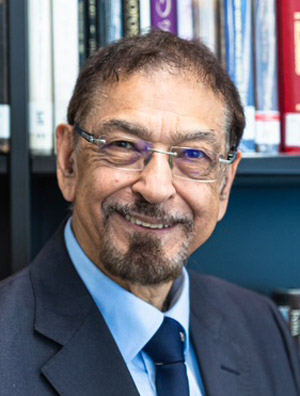
DR. MOHAMED KESHAVJEE (of England) said: “We witnessed the Wismar massacre in Guyana in 1964, and the tragedy in Bangladesh in 1971. Time and again, racial violence erupted, leaving behind pain, anguish, and sorrow. Research has shown that trauma is carried intergenerationally; children often inherit the trauma of their parents or even grandparents. This is not healthy for communities and families to carry. Therefore, whenever community-based or civil society-led processes can be used to help people resolve these issues, they become powerful sources of strength. In the Indian diaspora, our cultural values play an important role. Our respect for elders, our sense of community, and our deeply rooted norms and traditions all contribute. Our ability to live not only within our own community but also in harmony with others, whether Asian or not, is also a vital aspect of this healing process.”
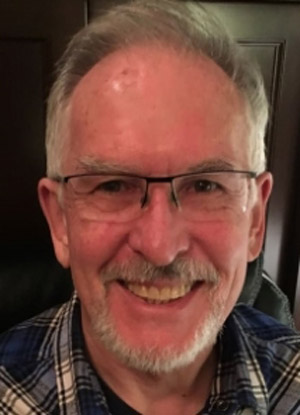
RICHARD HARDING (of Canada) said: “My proposal, my thoughts, are that the Indo-diasporic community could actually take meaningful action by developing mediation initiatives. My model for this comes from something Dr. Keshavjee introduced me to. In the Ismaili system, their leader (Aga Khan) recognized the need for structured conflict resolution and initiated a system of arbitration. Over time, this effort evolved into ongoing mediation training programs across the community. It eventually became self-sustaining because, as people went through the training, they experienced a paradigm shift. Their own lives were transformed, they became enthusiastic, and they began training others in turn. I am simply challenging you to consider that the Indo-diasporic community might be able to do the same. Collaborative law and mediation is where decision making and content is entirely in the hands of the parties, and the professionals assist only by guiding the process.”
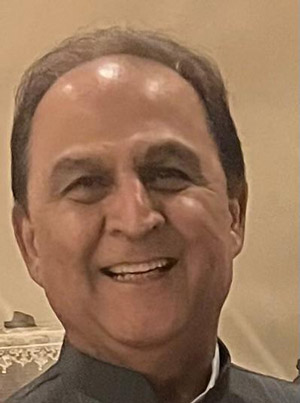
ABDUL REHMAN (RAY) VIRANI (of the USA, originally from Pakistan) said: “When conflict arises in human life, there are several common methods people use to resolve it. Typically, when a person becomes involved in a conflict, they first turn to a local authority, such as the church elder or a community leader. These individuals try to resolve the issue using their wisdom and experience. If that approach doesn't work, we move on to mediation. If mediation fails, the next step is usually arbitration. If arbitration doesn’t lead to a solution, then the conflict may escalate to the court system or litigation. In cases involving politics or international disputes, unresolved conflicts might be taken to the International Court. When all else fails, unfortunately, we sometimes see conflicts escalate into war, as is happening in many parts of the world today.”
(Dr Kumar Mahabir is based in Trinidad and Tobago, Caribbean. He can be reached at WhatsApp +1 868 756 4961. E-mail: [email protected])
(Photos courtesy: Dr Kumar Mahabir)