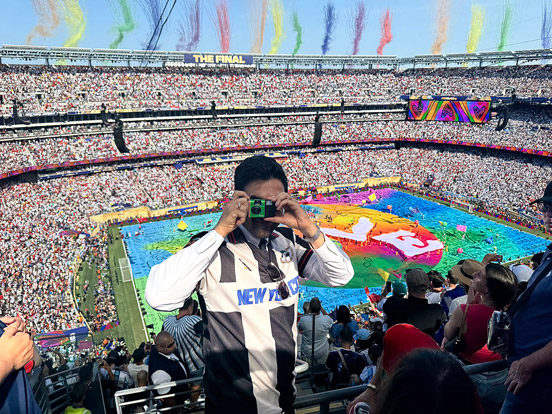
Markets including New York-New Jersey, Miami, Los Angeles and Boston saw significant increases in hotel rates as fans traveled for matches and related events
New York: The 2026 FIFA World Cup has delivered a significant boost for hotels, short-term rentals and local businesses across the United States.
After eight years of preparation, billions of dollars in investment and extensive destination marketing campaigns, North America hosted the world’s biggest soccer tournament for the first time in more than three decades, according to reports.
The tournament, expanded to 48 teams and 104 matches, was staged across 16 host cities in the US, Canada and Mexico, with the final held at MetLife Stadium in New Jersey on July 19.
For many US destinations, the World Cup created a short-term surge in demand. Hotels benefited from higher room rates, while restaurants, attractions and entertainment venues reported increased visitor spending.
An estimated 400,000 establishments in the host countries took advantage of FIFA’s Non-Commercial Public Viewing regulations. (Photo courtesy: X@FIFAcom)
The biggest winners from the World Cup have been hotels in host markets as well as small-size destinations. Rather than generating a dramatic increase in occupancy, the tournament’s economic impact has largely come through higher average daily rates. Hotels were able to charge premium prices around major matches, particularly in cities hosting popular teams and high-profile games.
Markets including New York-New Jersey, Miami, Los Angeles and Boston saw significant increases in hotel rates as fans traveled for matches and related events.
Short-term rental operators also benefited, with many international and domestic fans choosing apartments and larger properties for group travel, according to reports.
Industry analysts said the tournament created a pricing opportunity similar to other major global sporting events, where limited accommodation supply allows operators to maximize revenue during peak periods.
However, some smaller host cities emerged as unexpected winners. Kansas City, Philadelphia and other markets used the tournament to showcase local attractions, public viewing events and cultural programs.
Even visitors without match tickets contributed to local economies by attending fan zones, visiting restaurants and spending money on entertainment.
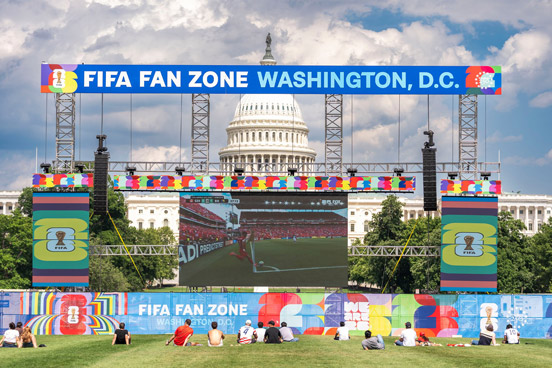
People enjoy the FIFA WC game in Washington, DC. (Photo courtesy: X@Freedom250)
Before the tournament, tourism officials and travel businesses had expected millions of international fans to visit North America, creating a major boost for inbound tourism. Hotels in some host cities reported that domestic travelers represented a larger share of demand than initially expected.
Thousands of fans traveled between host cities and the additional demand was concentrated around specific match dates and routes.
Beyond immediate spending, destinations are looking at the World Cup as a global marketing opportunity. The tournament provided unprecedented international exposure for US cities and allowed destinations to showcase their culture, attractions and hospitality to millions of viewers worldwide.
US President Donald Trump has confirmed the United States will “immediately” apply to host the next available World Cup on the back of a successful run as co-host with Canada and Mexico this summer.
An extraordinary opportunity
FIFA World Cup 2026 created an "extraordinary opportunity" to showcase the energy, authenticity and welcoming hospitality of the United States, Brand USA president Fred Dixon said.
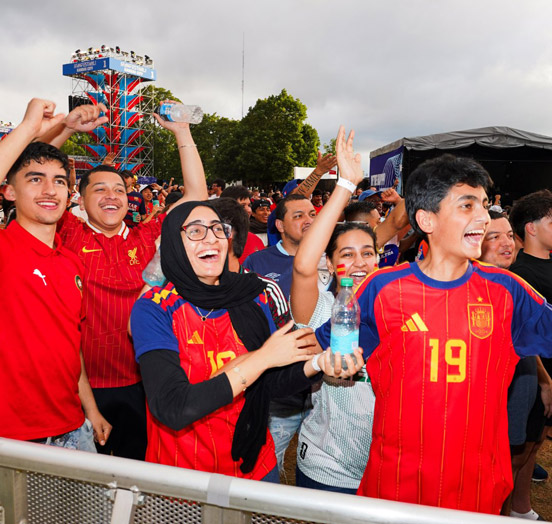
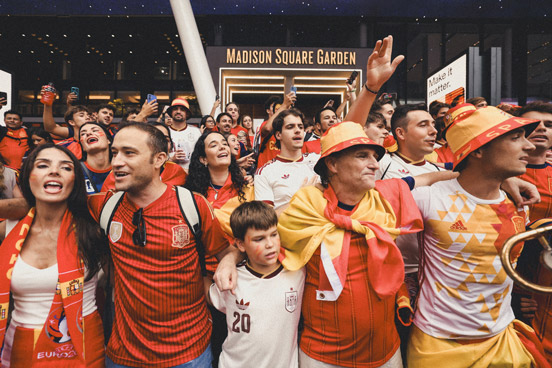
Spanish tourists brought the energy to the FIFA Fan Festival Kansas City as they celebrated along the way. (Photo courtesy: @FWC26KansasCity)
“Insights from our AI-enabled trip planning hub showed that fans wanted to experience much more than the matches, planning road trips between host cities and visits to national parks as part of their journeys," he was quoted as saying in a statement.