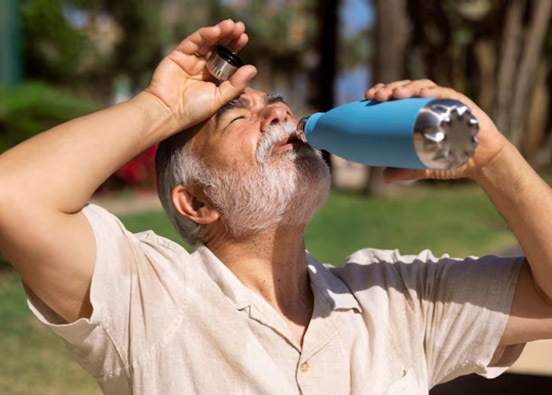
Older persons in the Global South are the worst -affected.
By Himanshu Rath
Global warming has emerged as one of the most critical challenges of the twenty-first century. Once viewed primarily as an environmental concern, it is now widely recognized as a major public health, social, economic, and developmental issue affecting millions of people worldwide.
Rising temperatures, frequent heatwaves, floods, droughts, cyclones, wildfires, and other extreme weather events are disrupting lives, damaging livelihoods, and threatening human well-being on an unprecedented scale.
While climate change affects all sections of society, older persons are among the most vulnerable. The situation is particularly alarming in the Global South, where poverty, inadequate healthcare systems, weak social protection mechanisms, and limited disaster preparedness significantly increase climate-related risks for ageing populations.
Simultaneously, the world is experiencing a rapid demographic transition. By 2050, the global population aged 60 years and above is expected to exceed two billion. The convergence of these two trends, population ageing and climate change, poses a profound challenge for policymakers, healthcare systems, communities, and families.
As environmental conditions become increasingly unpredictable and severe, protecting the health, dignity, and well-being of older persons must become a central component of climate action and sustainable development strategies.
Older persons face heightened risks because ageing naturally reduces the body's ability to cope with environmental stress. Physiological changes associated with ageing, including reduced temperature regulation, slower blood circulation, diminished sweating capacity, and weakened immune responses, make older people more susceptible to heat-related illnesses.
In addition, many seniors live with chronic health conditions such as cardiovascular diseases, hypertension, diabetes, respiratory disorders, and kidney ailments. These conditions can be aggravated by prolonged exposure to high temperatures, poor air quality, and climate-induced environmental changes.
Physical limitations further increase vulnerability during emergencies. Many elderly individuals experience reduced mobility, impaired vision, or other age-related disabilities that make evacuation during floods, storms, and wildfires difficult.
Social isolation is another major concern. Older persons who live alone or have limited family support often face greater challenges in accessing assistance during climate-related crises.
Beyond physical health, climate change also affects psychological well-being. Natural disasters frequently result in the loss of homes, possessions, social networks, and community support systems. Such experiences can trigger anxiety, depression, loneliness, grief, and trauma among older persons.
Emerging research also suggests a connection between prolonged exposure to air pollution and cognitive decline, including an increased risk of dementia. Sleep disturbances, reduced concentration, and memory problems have also been associated with prolonged exposure to extreme heat.
For older persons living in the Global South, the consequences are especially severe. Many developing countries already face challenges such as high temperatures, water scarcity, inadequate healthcare infrastructure, and limited social security coverage.
Climate change amplifies these vulnerabilities, exposing older populations to greater risks of illness, malnutrition, displacement, and economic hardship. Food insecurity caused by crop failures and rising food prices disproportionately affects elderly individuals living on fixed or limited incomes.
Climate disasters often destroy homes, livelihoods, and community support structures, leaving older people economically and emotionally vulnerable. Elderly women, widows, and destitute seniors frequently face the greatest hardships due to persistent gender inequalities and lifelong economic disadvantages.
The health impacts of global warming on older persons are extensive and multidimensional. High temperatures place additional strain on the cardiovascular system, increasing the risk of heart attacks, strokes, and other circulatory disorders.
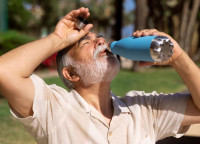
Air pollution and extreme heat worsen respiratory illnesses such as asthma and chronic obstructive pulmonary disease. Dehydration remains a major concern because many older persons experience a reduced sensation of thirst and may not consume sufficient fluids during hot weather.
Rising temperatures also support the spread of disease-carrying insects, increasing the risk of vector-borne diseases such as dengue fever and malaria. At the same time, extreme weather conditions may discourage outdoor activities, contributing to reduced physical fitness, muscle weakness, and social isolation.
Despite these challenges, several practical measures can help reduce climate-related risks for older persons. Preventive actions such as staying indoors during peak heat hours, drinking water regularly, wearing light and breathable clothing, and ensuring proper ventilation can significantly reduce heat-related illnesses.
Families and caregivers should maintain regular contact with elderly relatives during periods of extreme weather and ensure that emergency plans are in place. Community support networks can play an invaluable role by checking on isolated seniors and assisting them during emergencies.
Improvements in housing design, including better ventilation, insulation, shaded spaces, and tree planting, can help reduce indoor temperatures and improve living conditions.
Maintaining a healthy lifestyle is equally important. Adequate hydration, balanced nutrition, regular physical activity during cooler parts of the day, and protection from excessive sun exposure can strengthen resilience against heat stress.
Fruits and vegetables with high water content can help maintain hydration, while regular exercise supports cardiovascular health, mobility, and mental well-being. Strong social connections with family members, friends, and community groups can reduce loneliness and improve emotional resilience.
Regular medical check-ups and periodic reviews of medications are also essential, particularly during periods of extreme heat.
Addressing the impact of climate change on ageing populations requires collective responsibility and coordinated action at all levels. Governments must invest in climate-resilient healthcare systems, implement comprehensive heat action plans, strengthen disaster preparedness programs, and expand social protection measures for older persons.
Investments in renewable energy, sustainable infrastructure, urban greening, and climate-resilient housing can reduce environmental risks while improving quality of life.
Climate adaptation and disaster management policies must explicitly recognize and address the needs of ageing populations. Communities and civil society organizations also have critical roles to play.
Establishing elderly-friendly cooling centres, promoting neighborhood support systems, encouraging intergenerational cooperation, and ensuring the active participation of older persons in emergency planning can significantly enhance resilience.
Non-governmental organizations, faith-based institutions, academic bodies, and community groups can provide emergency relief, healthcare support, food assistance, climate education, and advocacy for age-inclusive climate policies.
Their efforts often bridge important gaps in public services and ensure that vulnerable elderly populations are not overlooked.
Individuals can contribute through environmentally responsible behavior, including conserving energy, reducing waste, using public transportation, supporting sustainable consumption, and participating in environmental conservation initiatives.
Equally important is the willingness to support elderly neighbors and community members during periods of extreme weather and climate-related emergencies.
Global warming is undoubtedly one of the defining challenges of our time, and its impact on older persons is becoming increasingly evident.
The elderly, particularly those living in the Global South, face disproportionate risks arising from rising temperatures, climate-related disasters, health complications, and social inequalities.
Yet these challenges are not insurmountable. Through informed public policies, community engagement, sustainable environmental practices, and age-inclusive climate action, societies can strengthen resilience and protect the health, dignity, and rights of older generations.
Building climate-resilient and age-friendly communities is not merely an environmental imperative; it is also a matter of social justice, human rights, and intergenerational responsibility.
The actions taken today will determine whether future generations of older persons can live healthy, safe, dignified, and fulfilling lives in an increasingly warming world.
--------------------------------------------

(Himanshu Rath is the founder of Agewell Foundation, a not‐for‐profit organization working for the welfare and empowerment of the elderly in India)