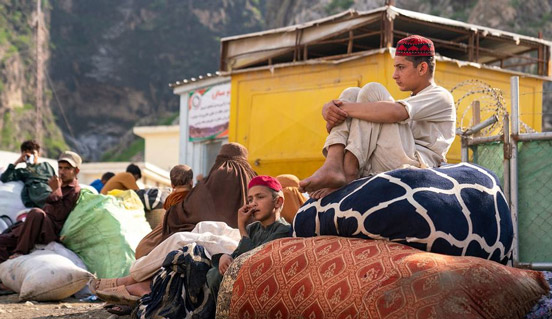
Kabul: Thousands of Afghans in Pakistan, including many who took refuge after the Taliban seized power in Afghanistan in 2021, now face an uncertain future under the current government’s renewed Illegal Foreigners Repatriation Plan, leading Afghan news agency Khaama Press reported.
In April alone, over 144,000 Afghans arrived back in Afghanistan — nearly 30,000 of them deported. Pakistan Prime Minister Shehbaz Sharif's order has extended enforcement to major urban centres, including Islamabad and Pakistan, where police raids have resulted in detention and transfer of Afghan families to deportation centers.
The Human Rights Commission of Pakistan (HRCP) has termed these actions as a form of forced repatriation, a move inconsistent with international law. Vulnerable groups, including women, children, the elderly, people with disabilities, and those at risk due to their professions, have been impacted by Pakistan's decision.
Afghan girls born and raised in Pakistan have been majorly impacted as they are now being sent to a nation where the Taliban has imposed a ban on girls' education. The report added that Afghan refugees are coming back to a nation facing economic collapse, climate disasters, and humanitarian emergencies. Taliban authorities have been offering limited support to Afghan refugees repatriated from Pakistan. Families who have returned from Pakistan have taken refuge in tent settlements, the report mentioned.
|
Taliban probing death threats against UN staff The Taliban are investigating explicit death threats against dozens of Afghan women working for the United Nations, the AP news agency reported. The threats came from unidentified individuals related to their work with the UN Assistance Mission in Afghanistan, or UNAMA, other agencies, funds, and programs, "requiring the UN to implement interim measures to protect their safety," according to the report. Since late 2022, the Taliban has banned women from working in NGOs, including UN agencies, and imposed strict rules limiting women’s freedoms and access to education. Over 1.4 million girls remain out of school, risking the future of a generation. |