New York: US researchers have developed a new blood test that not only aids in the diagnosis of Alzheimer’s disease but also indicates how far it has progressed.
While currently available blood tests for Alzheimer’s disease can diagnose the disease, they do not indicate the clinical stage of the disease symptoms – that is, the degree of impairment in thinking or memory due to Alzheimer’s dementia.
The new test can help doctors determine which patients are likely to benefit from drug treatment and to what extent. It can also provide insight on whether a person’s symptoms are likely due to Alzheimer’s versus some other cause, said the researchers at Washington University School of Medicine in St. Louis, US.
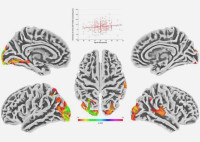
In the study, published in the journal Nature Medicine, the researchers found that levels of a protein called MTBR-tau243 in the blood accurately reflect the amount of toxic accumulation of tau aggregates in the brain and correlate with the severity of Alzheimer’s disease.
Analysing blood levels of MTBR-tau243 from a group of people with cognitive decline, the researchers were able to distinguish between people with early- or later-stage Alzheimer’s disease and separate both groups of patients from people whose symptoms were caused by something other than Alzheimer’s.
“This blood test clearly identifies Alzheimer’s tau tangles, which is our best biomarker measure of Alzheimer’s symptoms and dementia,” said co-senior author Randall J. Bateman, Professor of Neurology at Washington University.