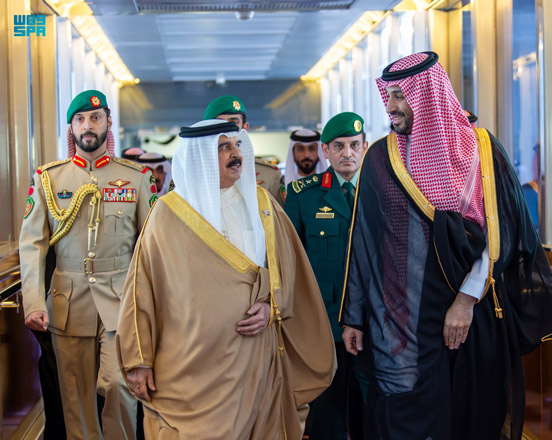
Gulf leaders gathered in Saudi Arabia this week for a crucial Gulf Cooperation Council (GCC) meeting, looking to agree on how to respond to Iranian missile and drone attacks that have hit the region in recent weeks. The talks take place at a tense moment, with fears of a wider military escalation still hanging over the region despite a fragile ceasefire between the United States and Iran.
The in-person meeting in Jeddah marks the first time Gulf heads of state have come together since their countries were pulled directly into the fallout of the conflict, which began after US and Israeli strikes on Iran on February 28. The strikes on the UAE, Bahrain, Kuwait, Qatar, Saudi Arabia, Iraq, and Oman have hit energy infrastructure, military sites, and civilian facilities, including assets linked to US operations in the region.
Saudi Crown Prince Mohammed bin Salman chaired the meeting, according to Saudi state media. The discussions centred on the fast-changing situation in the region and how member states can better coordinate their next steps.
A Gulf official, speaking anonymously to news agency Reuters, said the primary aim of the summit was to craft a collective response after thousands of Iranian missile and drone attacks targeted Gulf nations.
UAE exits oil production groups OPEC, OPEC+The United Arab Emirates has announced its exit from OPEC and OPEC+, marking a major shift in global energy politics at a time when conflict involving Iran has triggered a sharp and prolonged disruption in global oil supply. The UAE will leave the group effective May 1. The decision delivers a big setback to the oil-producing alliance and its de facto leader, Saudi Arabia. The UAE’s energy minister told news agency Reuters the move gives the country greater flexibility, as it will no longer be bound by the group’s obligations. He also said the decision was taken independently, without direct consultations with other members, including Saudi Arabia. |