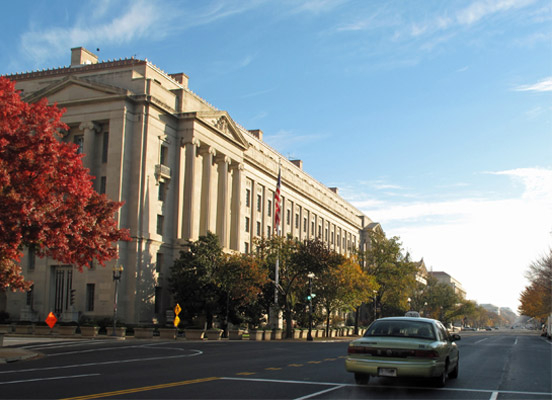
Washington: The Justice Department, along with 30 state and district attorneys general, on Thursday filed a civil antitrust lawsuit against Live Nation Entertainment and its wholly-owned subsidiary, Ticketmaster for monopolisation and other unlawful conduct that thwarts competition in markets across the live entertainment industry.
The lawsuit, which includes a request for structural relief, seeks to restore competition in the live concert industry, provide better choices at lower prices for fans, and open venue doors for working musicians and other performance artists.
“We allege that Live Nation relies on unlawful, anticompetitive conduct to exercise its monopolistic control over the live events industry in the United States at the cost of fans, artists, smaller promoters, and venue operators,” said Attorney General Merrick B. Garland.
“The result is that fans pay more in fees, artists have fewer opportunities to play concerts, smaller promoters get squeezed out, and venues have fewer real choices for ticketing services. It is time to break up Live Nation-Ticketmaster,” Garland added.
The complaint alleged that Live Nation-Ticketmaster unlawfully exercises its monopoly power in violation of Section 2 of the Sherman Act. As a result of its conduct, music fans in the United States are deprived of ticketing innovation and forced to use outdated technology while paying more for tickets than fans in other countries.
At the same time, Live Nation-Ticketmaster exercises its power over performers, venues, and independent promoters in ways that harm competition. Live Nation-Ticketmaster also imposes barriers to competition that limit the entry and expansion of its rivals.
“The announcement reflects the latest efforts by the Justice Department to combat corporate misconduct,” said Deputy Attorney General Lisa Monaco.
“Today’s action is a step forward in making this era of live music more accessible for the fans, the artists, and the industry that supports them,” Monaco added.
According to the complaint, Live Nation-Ticketmaster has unlawfully maintained monopolies in several concert promotions and primary ticketing markets and engaged in other exclusionary conduct affecting live concert venues, including arenas and amphitheaters.
“Live Nation-Ticketmaster’s anticompetitive conduct creates even more barriers for rivals to compete on the merits. Specifically, Live Nation-Ticketmaster engaged in a variety of tactics to eliminate competition and monopolize markets,” said the DoJ.
----------------------------------------------------------
Washington: The Justice Department and Federal Trade Commission (FTC) on Thursday jointly launched a public inquiry to identify serial acquisitions and roll-up strategies throughout the US economy that have led to consolidation and harmed competition.
Serial acquisitions and roll-ups are a form of corporate consolidation where a company becomes larger — and potentially dominant — by buying several smaller firms in the same or related sectors or industries.
The agencies seek information from the public on serial acquisitions in all sectors and industries in the U.S. economy, including but not limited to housing, defense, cybersecurity, distribution businesses, agriculture, construction, aftermarket/repair and professional services markets.
In a joint Request for Information (RFI), the agencies are seeking information from across the public, including consumers, workers, businesses, advocacy organizations, professional and trade associations, local, state and federal elected officials, academics and others to understand how these strategies can stifle competition.
“When companies use serial acquisitions and other roll-up strategies to consolidate industries while evading antitrust scrutiny, they deprive the American people of the benefits of competition,” said Assistant Attorney General Jonathan Kanter of the Justice Department’s Antitrust Division.
“Firms can use serial acquisitions to roll up markets, consolidate power and undermine fair competition, all while jacking up prices and degrading quality,” added Chair Lina M. Khan of the FTC.