By John Di Leonardo
This Memorial Day week, a grassroots coalition of residents, environmental advocates, veterans, and animal protection organizations came together to oppose a proposed fireworks display over Lake Ronkonkoma on Long Island. In a victory for wildlife and environmental stewardship, the permit for the event was ultimately denied by Islip Town Supervisor Angie Carpenter.
At the center of the campaign was a simple but powerful concern: bald eagles — the United States of America’s national bird — are actively nesting less than 90 feet from the lake’s shoreline.
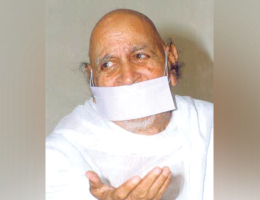
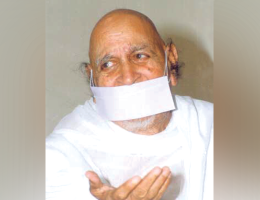
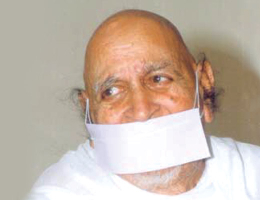
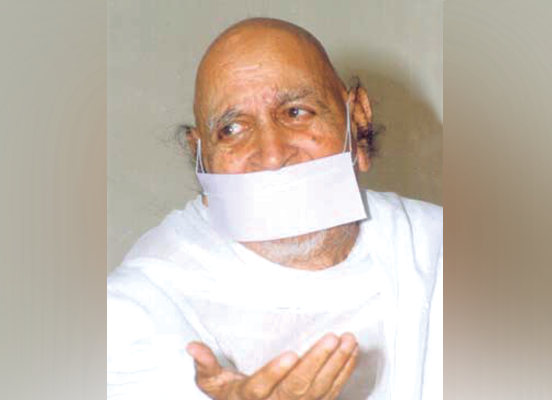
For many of us involved in this effort, the issue was about far more than one fireworks display. It was about what kind of society we want to create and what values we choose to celebrate. Those values closely reflect the principles of the Anuvrat Movement, founded by Acharya Tulsi, which emphasizes nonviolence, self-restraint, compassion, and moral responsibility toward all living beings.
Fireworks are often associated with celebration, but they come at a tremendous cost. Wildlife rehabilitators routinely witness birds suffering from fatal stress myopathy, nest abandonment, disorientation, and injuries after fireworks displays. Companion animals go missing in fear, veterans with PTSD are retraumatized, and people with autism and sensory sensitivities are forced to endure painful noise and chaos.
In this case, the proposed fireworks display threatened not only bald eagles, but also countless other animals that depend on the fragile Lake Ronkonkoma ecosystem. The lake also sits atop Long Island’s drinking water supply, making pollution from fireworks another serious concern.
The campaign drew support from diverse voices throughout the community, including my organization Humane Long Island, the Lake Ronkonkoma Heritage Association, and the American Legion, because it was rooted in a universal ethical principle: ahimsa, or nonviolence.
The Anuvrat Movement teaches that meaningful social change begins with individual choices and self-restraint. In today’s world, that means recognizing that entertainment should never come at the expense of vulnerable beings or the environment.
Last year in The South Asian Times, I wrote about the need to replace dangerous fireworks during Diwali celebrations with peaceful and beautiful drone light shows, and in fact, a drone show was launched this past weekend on Long Island at Jones Beach State Park.
Drone light shows can create breathtaking artistic displays without the deafening explosions, toxic pollution, or trauma inflicted on animals and people. They reflect innovation guided by compassion rather than spectacle driven by destruction.
Importantly, this conversation is not about rejecting celebration or cultural tradition. It is about evolving traditions in ways that align with our highest values.
Anuvrat reminds us that self-restraint is not weakness — it is moral strength. Choosing compassion over convenience, and peace over noise, is an act of courage.
This victory at Lake Ronkonkoma demonstrates what is possible when communities unite around nonviolence and respect for life. By protecting bald eagles during nesting season, we protected not only wildlife but also the values of stewardship, responsibility, and compassion that should define us as a society.
As readers reflect on the teachings of Anuvrat, I invite everyone to make one small vow of their own: to celebrate in ways that do not harm animals, people, or the planet. Whether that means choosing drone light shows over fireworks, reducing noise pollution, protecting wildlife habitats, or simply acting with greater compassion in daily life, small vows can create profound change.
----------------------------------------------

(Photo courtesy: John Di Leonardo)
John Di Leonardo is the founding director of Humane Long Island. He was previously the Senior Manager of Grassroots Campaigns and Animals in Entertainment Campaigns for People for the Ethical Treatment of Animals (PETA). He has a Master's degree in Anthrozoology from Canisius College. He also earned a graduate certificate in Jain Studies from the International School of Jain Studies (ISJS) in India. John can be reached at [email protected].